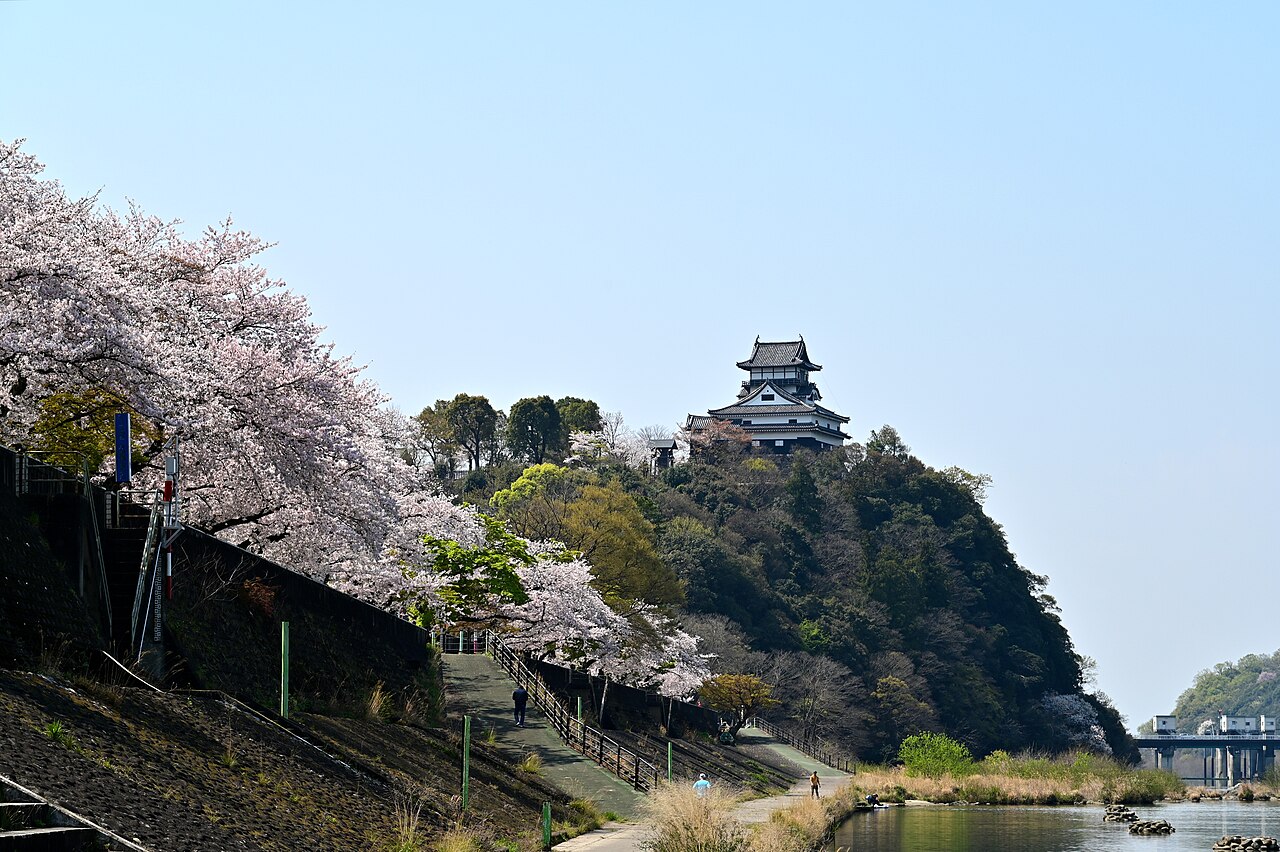
Quick answer: Inuyama Castle’s original wooden keep has very steep, narrow stairs and no elevator or escalator. The operator says wheelchair users cannot visit the inside of the keep and that it provides no dedicated accessible route from the parking area. Aichi’s prefectural tourism listing does identify some ramps within the wider castle grounds, but this does not make the route to or through the keep independently wheelchair-accessible. If climbing steps is difficult, you may still be able to enjoy selected areas of Inuyama, but check pavement, slopes and transport arrangements for your needs before traveling.


Can wheelchair users enter Inuyama Castle?
No. The castle’s official visitor FAQ states that wheelchairs cannot be used inside the historic keep. It also explains there is no lift or escalator and no dedicated accessibility route from parking to the castle. The prefectural tourism guide lists some ramps on the wider grounds, which is different from an accessible route into the keep. The usual approach is difficult for someone independently using a wheelchair; the operator recommends accompanying assistance. Do not assume assistance makes the interior accessible.
How steep are the stairs?
They are notably narrow and steep, rising through the original wooden structure. Visitors remove their shoes at the keep entrance and carry them during the climb. If steep steps, low-clearance passages or heights make you uncomfortable, think carefully before buying a ticket. See the official castle entry guide for rules and photographs.
Can you visit with a stroller or young children?
A stroller is not a practical way to tour the steep staircases inside the keep. Ask staff about stroller storage and child-specific procedures rather than assuming a designated facility. Adults should consider whether children can manage the steps safely; a family may choose to enjoy the exterior and town instead. The castle offers no assurance that staff will carry visitors or large equipment.
Is there anything to enjoy without climbing the keep?
Yes. The castle’s Kiso River setting, historic townscape and seasonal scenery provide cultural interest even if you skip the top-floor view. Consider a slower walk with a suitable route and rest breaks, and investigate Urakuen Garden and Jo-an as another nearby cultural attraction. This does not mean the garden is fully step-free: contact the operator about paths, surfaces and facilities before visiting.
What about bags, toilets and rest breaks?
- Luggage: Large suitcases and backpacks cannot enter the historic keep. The official guide lists coin lockers at Inuyama Station and near the castle. Read our Inuyama day-trip planning guide before arranging transport.
- Toilets: The operator says there is no toilet inside the keep; facilities are available just inside the paid-area entrance.
- Rest: The castle FAQ says there is no rest area inside the keep. Build breaks into your day elsewhere.
- Safety: The castle asks visitors who feel unwell not to climb the keep. Its restrictions can change with crowded conditions.
Tickets and discounts
As checked on November 11, 2026, official castle guidance lists admission at ¥1,000 for adults, ¥200 for primary and junior-high-school students, and free for younger children. The official guide also lists admission-fee exemptions for eligible Japanese disability certificates and an accompanying person (or two for wheelchair users). Eligibility documents and exact conditions must be confirmed at the ticket office; these provisions do not make the interior accessible.
Questions to ask before visiting
- Can I reach the entrance using my mobility device, given the slope and current construction?
- Which toilets and rest areas meet my needs?
- Are there any temporary barriers or partial closures on my travel date?
- Can I enjoy parts of the castle grounds without climbing the keep?
- Is the nearby garden or old town suitable for my specific accessibility requirements?
Start with the official castle FAQ, visitor guidance, and the Aichi Prefecture tourism accessibility listing. For route planning, read our castle-town heritage guide.
Editorial note: This is official-source research, not an accessibility audit or personally tested route. A mobility limitation or disability does not have one universal experience. Venue operators should confirm individual needs, live conditions and reasonable adjustments. Discount eligibility is subject to the operator’s verification of documents, and the accessibility of streets outside the castle has not been audited in person.
Important distinction: ramps on the grounds are not access to the keep
Aichi Prefecture’s tourism accessibility listing identifies a wheelchair-accessible toilet, a wheelchair loan service, and some ramps in the wider castle grounds. However, the castle operator’s own FAQ explicitly says that its normal route is difficult to manage independently in a wheelchair, there is no dedicated accessible approach, and wheelchairs cannot be used inside the keep. Do not mistake accessible facilities elsewhere on the grounds for step-free access to the historic building. If this distinction affects your visit, contact the castle management office at 0568-61-1711 before buying a ticket.
Source check: Inuyama Castle official visitor guidance and FAQ; Aichi Prefecture official tourism accessibility listing. Checked November 11, 2026. This guide is not a personally tested accessible route and makes no guarantee that the approach or surrounding streets suit a particular mobility device.
Comparing Japanese castles? Our Inuyama vs Himeji vs Matsumoto Castle guide compares the historic keeps, visitor costs, steep stairs and the best reason to choose each destination.
Carrying bags or a stroller? See our guide to Inuyama Station and castle-area luggage lockers; availability and size are not guaranteed.
コメントを残す